

Medication Management in the ED
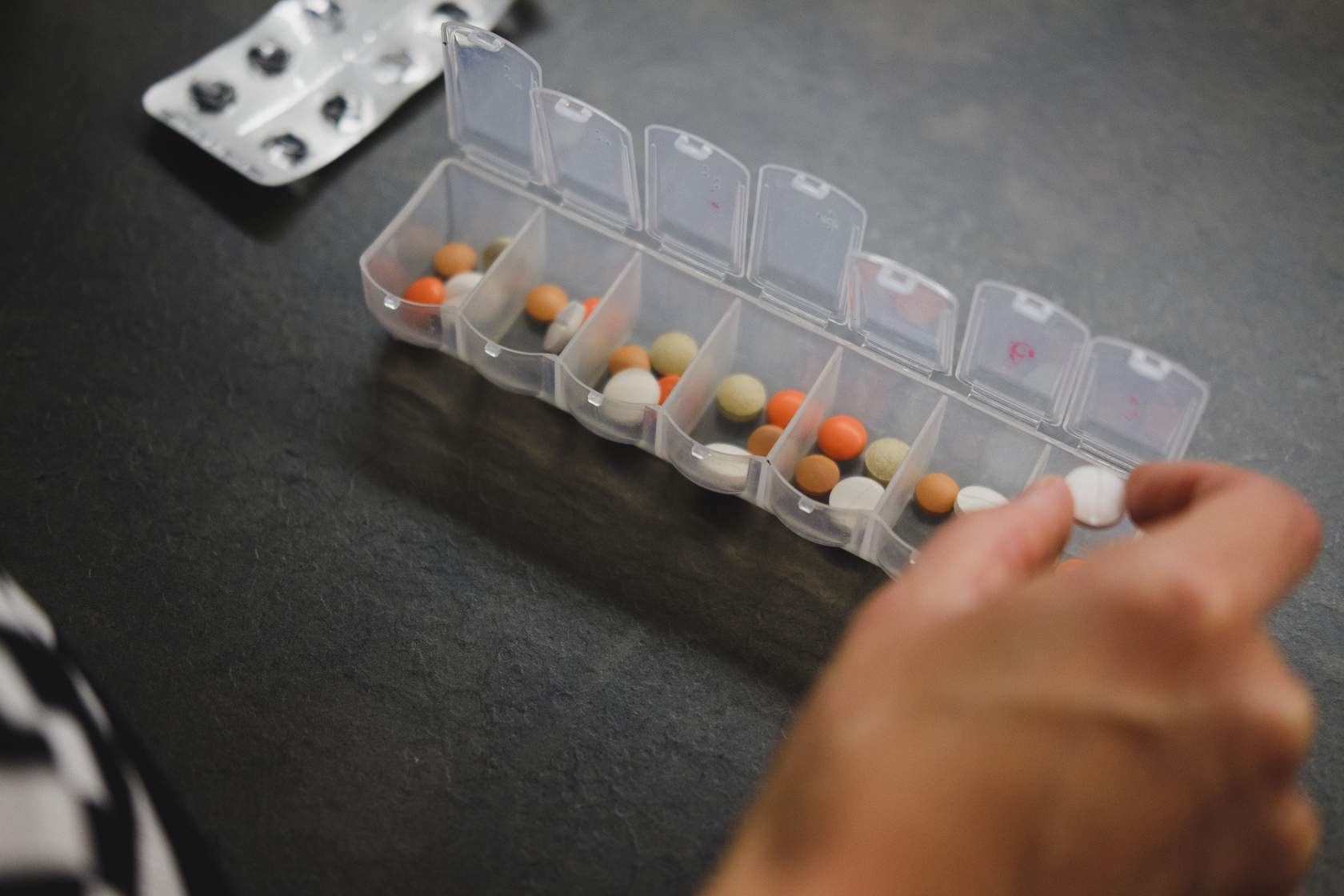
Domain 2 focuses on optimizing medication management. Here, hospitals and health systems are expected to identify potentially inappropriate medications (PIMs) for older adults. In busy EDs, older adults are especially vulnerable to medication-related errors, so it’s essential to have strong protocols in place for medication reconciliation and safe prescribing.
To help your ED operationalize Domain 2, the Geriatric Emergency Department Accreditation (GEDA) program has developed specific care processes. Continue exploring our Domain 2 resources to learn more.
Domain 2 | AFHS 4Ms | GEDA
Making the Connections
Meeting the CMS Measure means having concrete processes that are rooted in evidence. The Institute for Healthcare Improvement (IHI) and GEDA frameworks provide exactly that. Discover how each approach aligns with Domain 2 — and brings value to your ED, hospital, and health system.
Linking CMS with AFHS and GEDA
CMS Domain 2
Responsible Medication Management
Aligns With AFHS’s 4Ms
Medications
Achieved Through GEDA Care Processes
B1: High-Risk Med Identification & Reduction
B2: Structured Med Reconciliation
B3: Pain Control
B4: Order Sets With Med Dosing
Why It Matters
Investing in Medication Management Pays Off
Medication management care processes allow the ED to demonstrate its value as an indispensable hospital and health system partner. They help reduce medication errors during cardiac arrests and code strokes – and when caring for critically ill adults, and older adults with complex polypharmacy. By hardwiring safer medication practices into ED workflows, your site can decrease preventable drug errors, lowering clinical risk and potential malpractice exposure. And with support from a clinical pharmacist, these protocols become easier to sustain.
The cost savings and risk mitigation create a strong business case to invest in dedicated ED pharmacy support. Consistent access to a pharmacist reduces cognitive burden on frontline clinicians and streamline care in high-acuity situations. As a result patient outcomes improve – along with efficiency and reliability.
Making the Case for Pharmacist Involvement in the ED
Learn more and access an editable slide deck designed to make the case.

Explore Resources
We have a large library of resources to support hospitals and EDs as they work to meet the CMS Measure.
Medication management is an important competency in the ED and should be well integrated into the EMR to prevent medication errors. For support in this area, we have curated a few relevant resources.
TOOLKIT
Enhancing Medication Management in the Geriatric ED
Tools, guidelines, and resources for successful implementation of medication-focused quality improvement.
COURSE
Medication Management in the Older ED Patient
A one-hour AMA and ANCC accredited course on physiologic changes in aging, polypharmacy, communication, and safe ED prescribing.
WEBINAR
Medication Management and the CMS Hospital Measure
A look at how EDs can align with system priorities by introducing policies and procedures that reduce PIMs and incorporate pharmacy into consults.
GEDA Care Processes
Ways to Implement Change
Responsible medication management requires more than awareness alone. It takes clear, consistent action informed by best practice. GEDA care processes are a practical way to make that happen. They build important medication-related protocols into ED workflows, an that helps operationalize the standards outlined in the CMS measure.
Interested in learning more about GEDA accreditation for your ED?
Applying These Processes?
You’re Meeting the Mark
If you adhere to these care processes, your ED is doing its part to meet CMS criteria. This is because GEDA care processes directly support Domain 2 of the CMS Measure — and the IHI’s “Medication” framework. By implementing them, your emergency department can position itself as a clinical innovator that improves hospital flow, alleviates boarding, and advances system reliability — all while delivering better, more humane care.
When these safeguards are consistently and thoughtfully applied, hospitals experience fewer adverse drug events, fewer downstream complications, and more reliable care processes. This leads to fewer avoidable admissions, shorter length of stay, and better bed utilization.
Subject Matter Expert
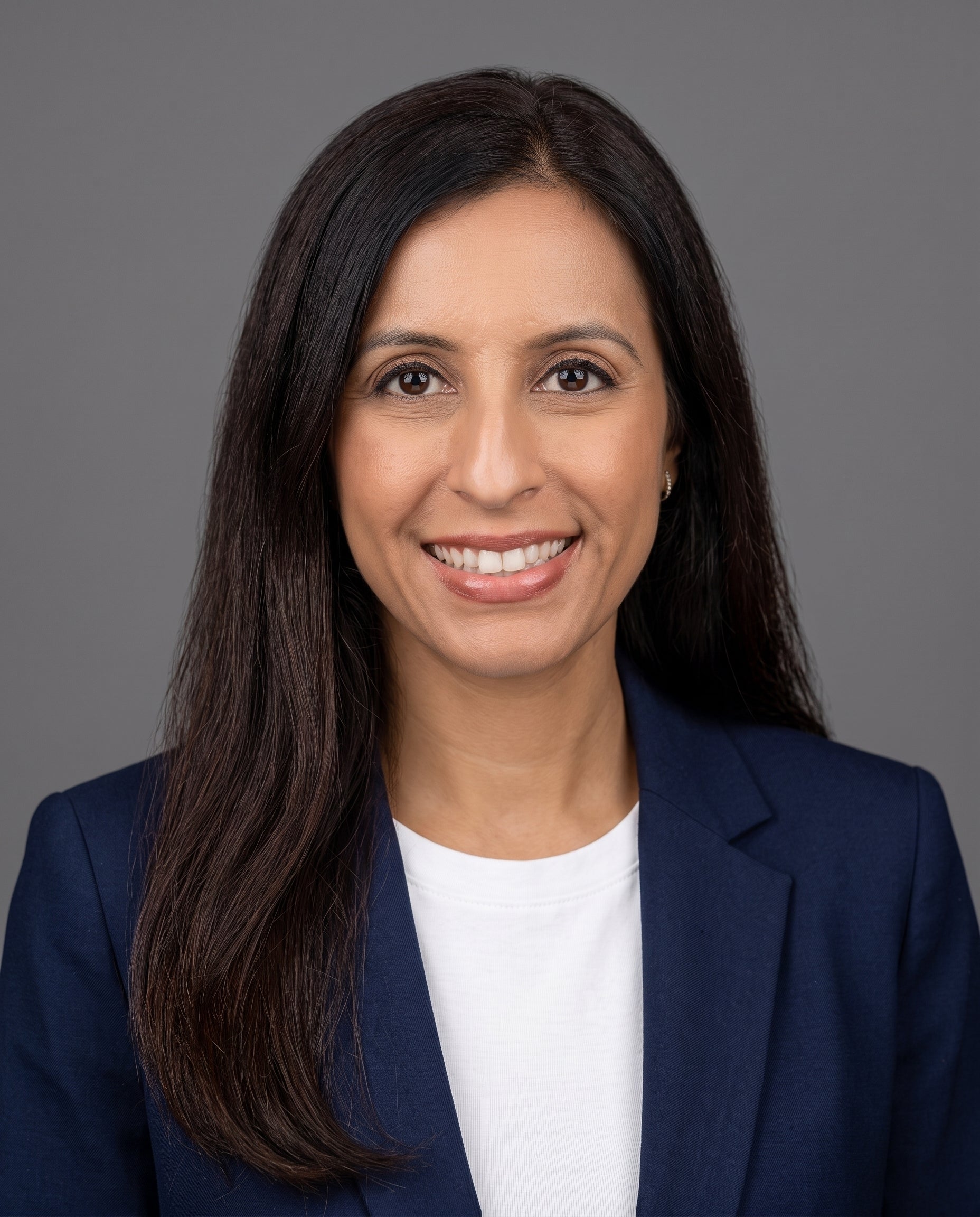
Payal Sud, MD, FACEP
Payal Sud, MD, FACEP, an Associate Professor of Emergency Medicine and a Medical Toxicologist, is a leading voice in Geriatric Emergency Medicine (GEM). As Chief of GEM for Northwell Health and Associate Chairperson of Emergency Medicine at North Shore University Hospital, she works to optimize patient flow in the emergency department (ED) based on what matters most to older adults and caregivers.
Beyond her administrative work, Dr. Sud investigates the impact of early Palliative Care in the ED, and conducts NIH-funded research on ED care for older adults with delirium and dementia. Applying her extensive experience leading successful GEM initiatives, Dr. Sud now helps shape national standards as a reviewer for ACEP’s GEDA program.


