

Leading Quality Geriatric Emergency Care
Older adults represent the fastest growing population in the United States. Health systems that pursue age-friendly care standards can serve this demographic more effectively, while strengthening overall performance. As these standards improve patient experience, they also enhance a hospital’s reputation within the community.
With this in mind, health systems serving substantial older adult populations may benefit from ACEP Geriatric Emergency Department Accreditation (GEDA) — specifically Levels 1 and 2. This aligns clinical care with the Age-Friendly Health System’s (AFHS) 4Ms framework and the CMS Measure. While pursuing these standards, strong executive and administrative sponsorship will be essential.

Why It Matters
System-Wide Change Pays Off
When implementing age-appropriate care, having the right internal sponsors is absolutely critical. They play a central role in securing resources and funding, facilitating IT and data support, and liaising with senior leadership. They also help integrate the right practices into broader hospital quality and safety initiatives.
With committed executive and administrative support, your facility can be empowered to pursue GEDA accreditation — and meet CMS benchmarks around compliance, reporting, and vital reimbursements.
Becoming GEDA accredited also comes with financial and operational advantages. GEDA care processes serve as a strategic pathway to enhanced efficiency, fewer preventable complications, and stronger performance within value-based care models. This is achieved by reducing excess days in acute care, as well as readmissions, and through improvements to the overall patient and caregiver experience.
ROI of Geriatric EDs
Cost-savings across the system demonstrated by the evidence.
The Importance of Providing Specialized Care for Seniors in EDs
Evidence-based rationale for age-appropriate interventions.

The Story of Mrs. Smith
Why Geriatric Emergency Departments?
Not sure what a Geriatric Emergency department can do for your patients? This simple story about Mrs. Smith — familiar to many clinicians — will show you how geriatric care leads to better outcomes, and cost savings.


Explore Resources
Positioning your EDs within your health system to provide high-value age-appropriate care can help your entire system meet its priorities.
These resources explore value-based care organizations, CMS standards through the lens of the ED, and the growing capacity crisis.
JOINT DISCUSSION
Engaging EDs as a Strategic Asset to Address System-Wide Capacity
A discussion re-framing the ED’s role within the broader health system — led by GEDC and Northwell Health at What’s Right in Healthcare® 2025.
WEST HEALTH TOOLKIT
Forging Aligned Partnerships Between Value-Based Care Organizations and GEDs
Tools and resources that expand disposition planning to include follow-up measures and ongoing care management support.
WEBINAR SERIES
Meeting the CMS Measure
A one-hour discussion exploring all five domains of the CMS Measure — and how EDs can strategically help their health systems meet critical goals.
GEDA Care Processes
A Way for EDs to Meet System Priorities
GEDA care processes are concrete protocols that support age-appropriate care. They hardwire best practices into ED workflows, so clinicians can provide consistent, high-quality care to older adults at the health system’s front door.
Implementing them demands dedicated clinical champions, but doing so means the ED can serve as a strategic lever in the broader system’s ability to enhance care — and meet CMS requirements.
Interested in learning more about GEDA accreditation for your system?
Pursuing GEDA Accreditation?
You’re Positioned to Meet the Measure
Attaining accreditation solidifies your health system’s reputation for improving patient outcomes and safety. It reinforces market leadership while attracting patients, partners and referral networks seeking recognized excellence in geriatric care. Perhaps just as critically, it means your system is well positioned to meet the CMS Measure, because GEDA care processes operationalize CMS priorities. And with strong sponsors of age-appropriate care, EDs like yours can be instrumental in leading system-wide change.
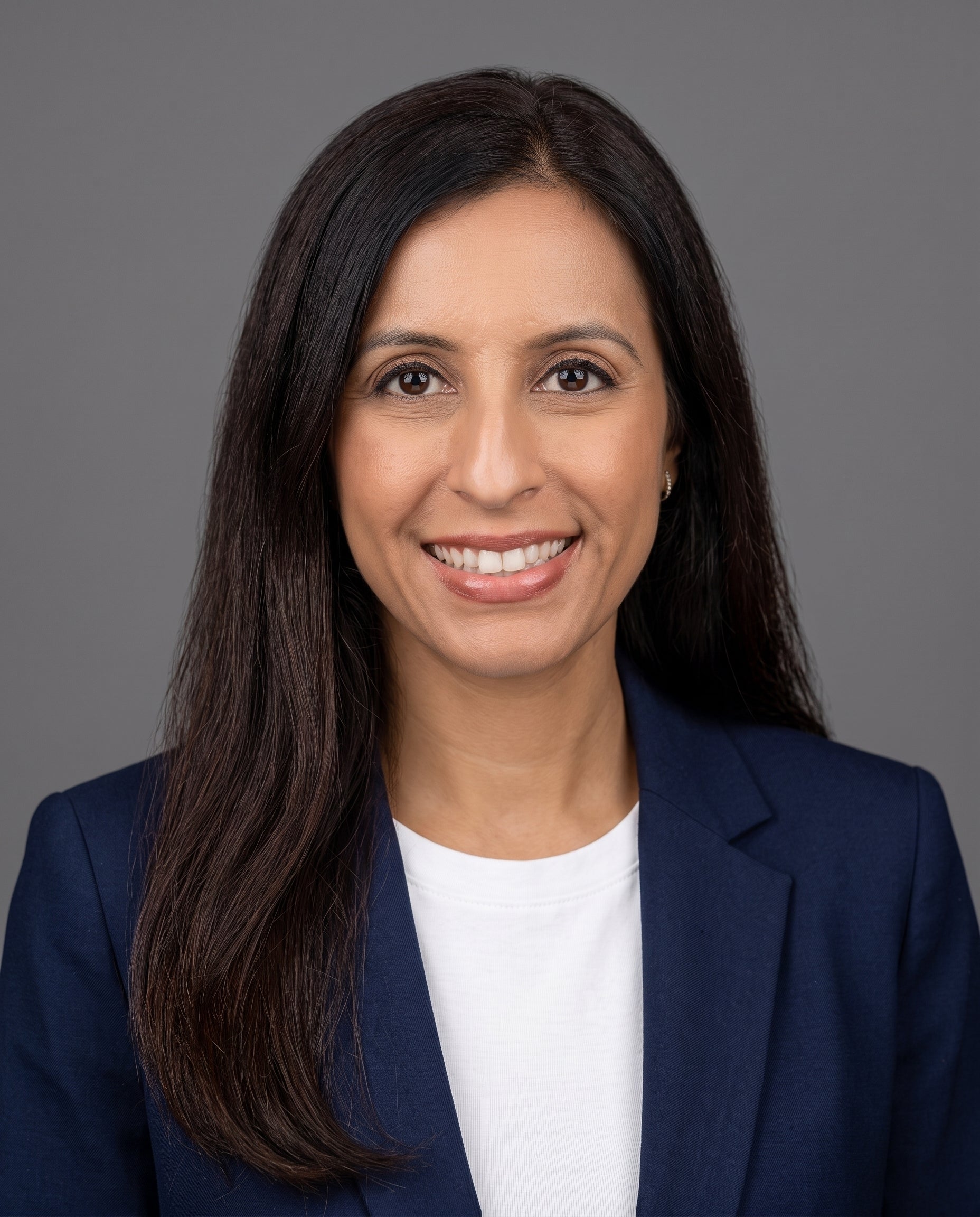
Subject Matter Expert
Payal Sud, MD, FACEP
Payal Sud, MD, FACEP, an Associate Professor of Emergency Medicine and a Medical Toxicologist, is a leading voice in Geriatric Emergency Medicine (GEM). As Chief of GEM for Northwell Health and Associate Chairperson of Emergency Medicine at North Shore University Hospital, she works to optimize patient flow in the emergency department (ED) based on what matters most to older adults and caregivers.
Beyond her administrative work, Dr. Sud investigates the impact of early Palliative Care in the ED, and conducts NIH-funded research on ED care for older adults with delirium and dementia. Applying her extensive experience leading successful GEM initiatives, Dr. Sud now helps shape national standards as a reviewer for ACEP’s GEDA program.


