
The BRAIN Project
Improving Dementia and Delirium Care Across the Hospital
Introducing BRAIN (Brain-Healthy Redesign for Acute and INpatient care environments) — a collaboration between the Alzheimer’s Association, West Health Institute, and GEDC. Follow along as the project advances by joining our mailing list.
The Challenge
Addressing Cognitive Impairment
Dementia and delirium are among the most common and consequential conditions encountered in emergency departments (EDs) and hospitals. Despite their prevalence, these cognitive impairments are widely under-recognized, inconsistently screened for, and not always well supported by standard ED workflows — especially in departments that are already under significant strain.
Older adults living with dementia are at greater risk of falls, injury, and functional decline when they visit the ED. Importantly, they are also more likely to develop delirium, which is associated with many complications — including higher mortality.
Compounding the challenge, most care environments aren’t designed for adults living with cognitive impairment. Although protocols exist to address them, these practices are not yet the national standard. As a result, hospitals see more preventable admissions associated with unmanaged dementia and delirium, while the human and financial costs keep mounting.
A Look at the Numbers
- Patients with dementia are 33% more likely to be hospitalized after an ED visit1
- Each additional hour of ED boarding increases the likelihood of delirium by 2%2
- Delirium occurs in 30-50% of hospitalized older adults, including up to 2.6 million cases per year in the United States3
- Patients with dementia are admitted for twice as many hospital stays per year4
- One in three older adults leaves the hospital more disabled than when they arrived5
- LaMantia, M. A., et al. (2016). Alzheimer Disease and Associated Disorders, 30(1), 35–40.
- Joseph, J. W., et al. (2024). JAMA Network Open, 7(6), e2416343.
- Kwak, M. J., et al. (2024). Journal of the American Geriatrics Society, 72(1), 14–23.
- Alzheimer’s Association. (2025). 2025 . Alzheimer’s disease facts and figures. Alzheimer’s & Dementia, 21.
- Joseph, J. W., et al. (2025). Emergency Medicine Clinics of North America, 43, 345–359.
What BRAIN Provides
Enhancing Dementia and Delirium Care Nationwide
BRAIN (Brain-Healthy Redesign for Acute and INpatient care environments) was developed to help health systems directly address the challenge of cognitive impairment. By bringing together leading hospitals from across the country, the project explores practical interventions for dementia and delirium in ED and inpatient settings. As successful approaches are shared through collaborative sessions, the BRAIN team will work to formalize and disseminate them. From there, health systems are equipped to transform care — translating what is already known into what is widely practiced.
Leading the Project



How BRAIN Works
Four Workstreams Driving Change
BRAIN weaves together four workstreams to identify, standardize, and share approaches that improve care for patients with cognitive impairment. Explore each one and learn how the initiative works.

Find Exemplary Sites
BRAIN Bright Spots
Key launch sites called Bright Spots test, refine and share promising practices.

Build on What Works
Best Practice Accelerator Community (BPAC)
Virtual sessions bring Bright Spots together to share insights and drive real-world action.

Standardize Solutions
Toolkit and Resource Development
The BRAIN team translates these insights into concrete, replicable processes and practical toolkits.

Bring It to Scale
Adoption Workshops and Dissemination
New workshops and resources enable sites everywhere to move from awareness to action.
Find out how BRAIN is making a difference.
BRAIN Bright Spots
Hospitals Making Real Impact
BRAIN relies on close collaboration with select sites across the country we call Bright Spots. These hospitals are recruited for their success in caring for patients with dementia and delirium. Through structured interviews and deep-dive site work, BRAIN uncovers effective approaches that will inform practical resources like toolkits and adoption manuals. In this way, our Bright Spots will help us turn real-world practices into shareable knowledge.




Best Practice Accelerator Community (BPAC)
Sharing Solutions
National action begins with individual hospitals — and the innovations they contribute. BRAIN connects Bright Spot sites through its Best Practice Accelerator Community (BPAC). During quarterly collaboration sessions led by GEDC, participating sites and clinical experts share knowledge and solve problems in key areas. Insights are then translated into toolkits and replicable processes for national adoption. Take a closer look at how BPAC works.

Sharing Knowledge
Peer-to-peer sessions surface what works best across high-performing sites.


Focusing Ideas
Ideas are refined across three key areas: delirium screening, ED discharge, and transitions of care.

Creating Resources
Solutions are packaged into resource kits with workflows, checklists, and example order sets.

Toolkit and Resource Development
Defining Best Practice
The BPAC sessions produce insights around the best approaches at leading sites. A multidisciplinary design team then steps in, translating the upfront work into concrete processes. The team includes clinical experts, implementation scientists and project leaders. Together, they synthesize findings from Bright Spot interviews, BPACs, and the existing evidence base and into plug-and-play toolkits. Using these resources, hospitals can adopt proven strategies without starting from scratch.


Adoption Workshops and Dissemination
Bringing Solutions to Scale
Once our solutions have been packaged, we share them nationally with peer organizations. BRAIN offers support through workshops and QI manuals designed to help hospitals and health systems implement these practices consistently at scale.
Join Our Mailing List
Stay Updated on the BRAIN Project
The BRAIN Project Collaborators
Meet the Team

Alex Fenn, MD
University of North Carolina
Clinical Informatics and Workflow Expert
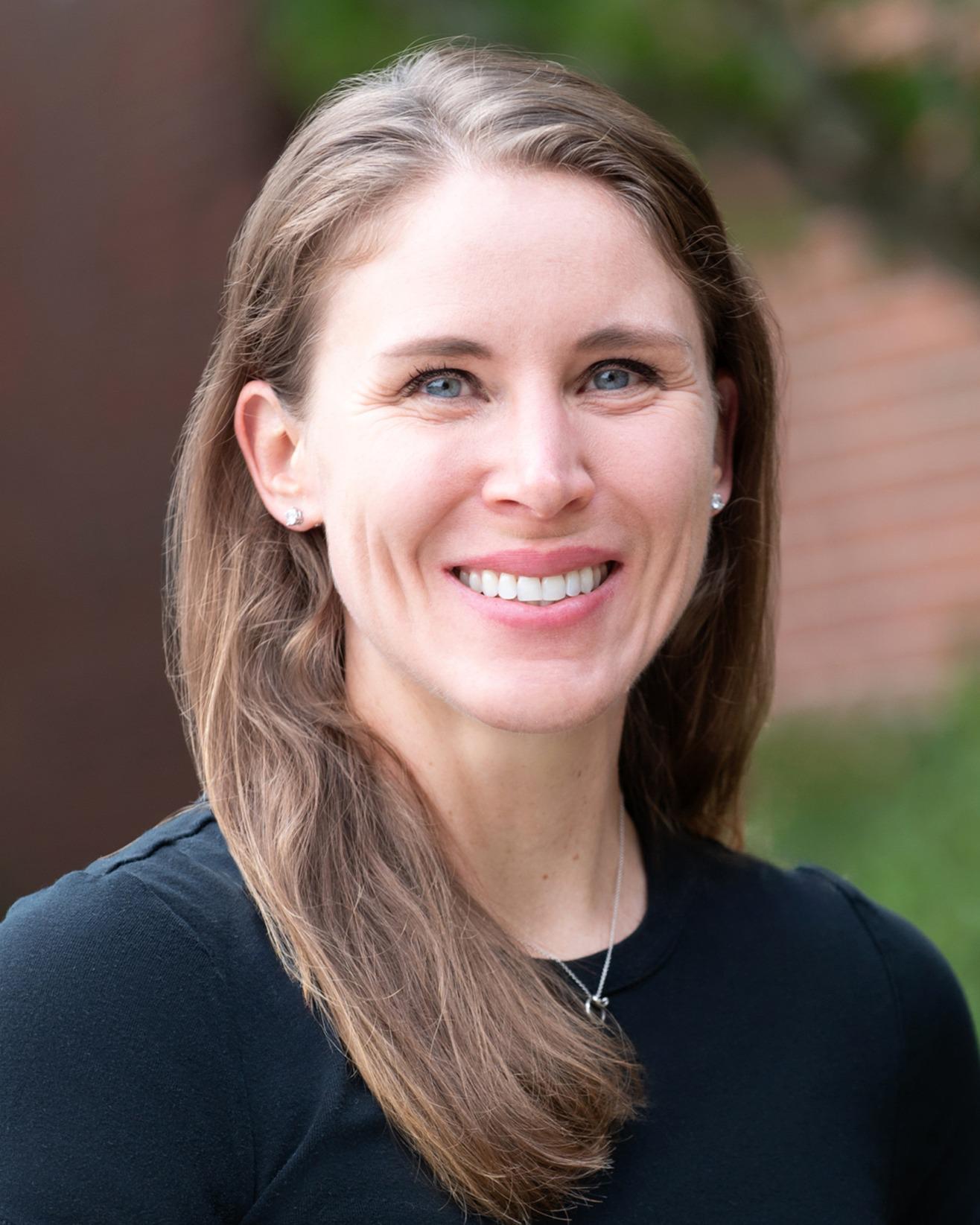
Olivia Gamboa, MD
Pardee Hospital, NC
Inpatient Expert

Liz Hall, MPH
Alzheimer’s Association
Resource & Content Development Strategy Expert

Alex Ostberg, MPH
GEDC, UNC
Program Manager
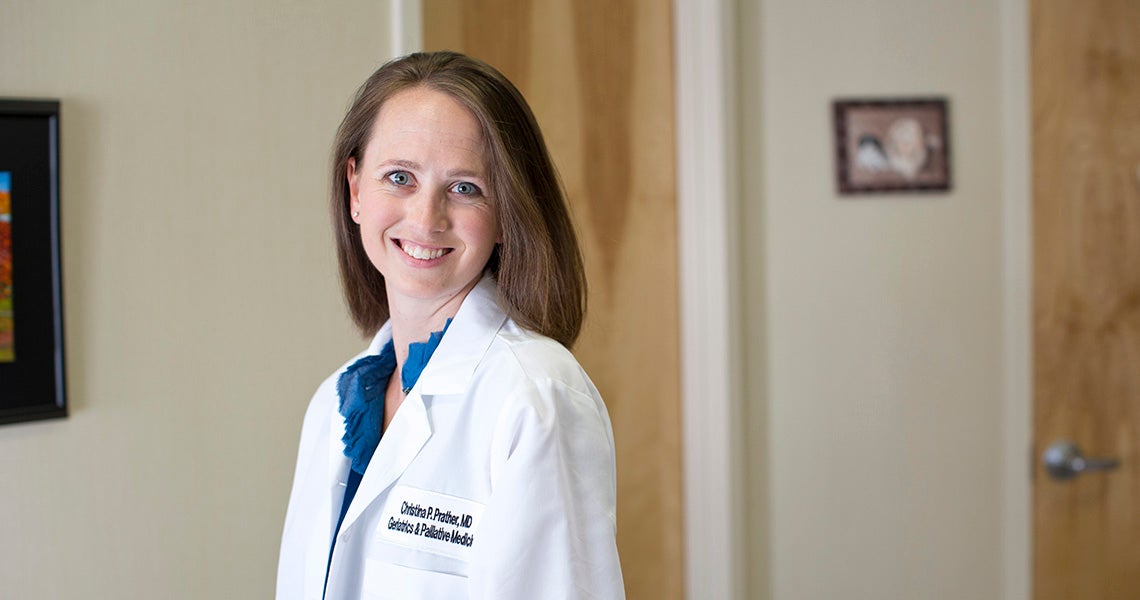
Christina Prather, MD
George Washington University
Geriatrics and Palliative Medicine Expert

Christina Shenvi, MD, PhD, MBA
GEDC, UNC
Project Director and Geriatric Emergency Medicine Expert
Chris Waszynski, DNP
Hartford Healthcare and IHI
Geriatrics and Cognitive Impairment Subject Matter Expert